
Your Guide to Biking in Winter: Everything You Need to Know to Ride Through the Cold
Posted by 1UP USA on Dec 4th 2025

Your Guide to Biking in Winter: Everything You Need to Know to Ride Through the Cold
There's something special about pedaling through a quiet, snow-dusted landscape while everyone else is stuck inside. Winter biking might seem intimidating at first, but with the right preparation and mindset, riding through the cold months can be one of the most rewarding experiences on two wheels. This guide covers everything from gear selection to bike maintenance, so you can keep rolling year-round.
Why Ride in Winter?
Before diving into the how, let's talk about the why. Winter riding offers benefits that fair-weather cyclists never experience. Trails are often less crowded, the scenery transforms into something magical, and there's a real sense of accomplishment that comes with finishing a ride on a cold day. Plus, maintaining your fitness through the winter months means you'll be ready to hit the ground running when spring arrives.
The key is understanding what you're getting into and preparing accordingly.
Choosing the Right Bike for Winter Conditions
Not every bike handles winter weather equally. Your choice depends on where you ride and what conditions you'll encounter.
Fat Bikes
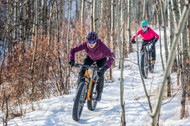
Fat biking has exploded in popularity for good reason. Those oversized fat tires (typically 3.8 to 5 inches wide) provide incredible flotation on fresh snow and stability on packed trails. A fat bike lets you access your favorite trail even when it's blanketed in white. The low tire pressure these bikes run (often 3-10 PSI) creates a massive contact patch that grips unpredictable surfaces.
Fat bikes excel at winter mountain biking and groomed snow trails. If you're looking to extend your mountain bike season or explore winter-specific trails, a fat bike is worth considering.
Mountain Bikes
A winter mountain bike setup can handle a surprising range of conditions. Knobby tires provide traction on packed snow and mixed surfaces. Many riders swap to studded tires for icy conditions, giving them the confidence to tackle frozen singletrack. Mountain biking in winter offers a completely different experience than summer riding, with the frozen ground often creating smoother, faster trail conditions.
Commuter and Road Options
For those focused on bike commuting or sticking to plowed roads and bike lanes, a standard commuter bike with appropriate tire upgrades works well. Consider wider tires with some tread pattern, and studded options if you encounter ice regularly. Many winter cyclists keep a dedicated winter bike to protect their nicer ride from road salt and grime.

Dressing for Winter Riding
Getting your clothing right makes or breaks a winter ride. The goal is to stay warm without overheating, which is trickier than it sounds. When you're pedaling hard, you generate significant heat, but wind chill can strip that warmth away quickly.
The Layering System
Base Layer: Start with moisture-wicking materials that pull sweat away from your skin. Merino wool is a favorite among winter cyclists because it regulates body temperature and resists odor. Cotton is your enemy here: once wet, it stays wet and cold.
Mid Layer: This is your insulation. Fleece or light down works well, providing warmth while allowing some breathability. On warmer winter days, you might skip this layer entirely.
Outer Layer: Your shell needs to block wind and, depending on conditions, repel moisture. Look for cycling-specific jackets with a longer back to protect you in the riding position. For the lower half, waterproof pants keep you dry in wet snow or slush.
Protecting Your Extremities
Cold hands and cold feet can end a ride faster than anything else. Here's how to keep your extremities comfortable:
Hands: Lobster-style mittens or bar mitts (pogies) offer the best warmth for extreme cold. Lighter insulated gloves work for moderate temperatures.
Feet: Merino wool socks combined with insulated winter cycling shoes or boot covers. Toe warmers can extend your range on the coldest days.
Head and Face: A thin balaclava or neck gaiter under your helmet blocks wind. For your face, a face mask protects against wind chill. Ski goggles beat sunglasses when riding into wind or falling snow.
Helmet: Your regular bike helmet works fine with a thin cap underneath. Some riders prefer a ski helmet for extra warmth and coverage.
What to Wear by Temperature
Temperature | Upper Body | Lower Body |
32-45°F | Base layer + light jacket | Tights or leg warmers |
20-32°F | Base + mid layer + shell | Insulated tights + shell pants |
0-20°F | Heavy base + fleece + wind shell | Insulated pants + waterproof shell |
Below 0°F | Maximum layers + full face coverage | Heaviest insulation available |
Bike Setup and Maintenance for Winter
Winter conditions demand extra attention to your bike. Salt, sand, slush, and temperature swings all take their toll on components.
Before You Ride
Check tire pressure: Lower pressure improves traction on snow and ice. Experiment to find what works for your trail conditions. You might run 10-20% lower than summer pressures.
Inspect your brakes: Cold weather affects braking performance. Make sure pads have good material, and rotors are clean.
Test your lights: Winter months mean shorter daylight. Bike lights are non-negotiable for visibility, both to see and be seen.
Lubricate your chain: Use wet lube in winter; It handles moisture better than dry alternatives and won't wash off in slush.
After Every Ride
Post-ride maintenance becomes more important when road salt and grit enter the equation. A quick wipe-down of your drivetrain prevents corrosion and keeps things shifting smoothly. If you've been riding in salty conditions, rinse your bike when possible. Pay special attention to cables, which can freeze if moisture gets trapped inside the housing.
Staying Safe on Winter Rides

Winter riding requires heightened awareness of your surroundings and conditions. Here's what to keep in mind:
Watch for Ice
Black ice is invisible and unforgiving. Shaded areas, bridges, and spots where water pools are common trouble zones. When encountering icy conditions, keep your weight centered, avoid sudden movements, and let the bike roll through rather than braking or turning sharply.
Be Visible
Gray winter days and early darkness reduce visibility significantly. Bright clothing, reflective elements, and quality bike lights make a real difference. Front and rear lights should be used even during daytime on overcast, cold days.
Know Your Limits
There's no shame in cutting a longer ride short if conditions deteriorate. Hypothermia can sneak up on you, especially if you get wet or the wind picks up unexpectedly. Always tell someone your route and expected return time, particularly for remote trail rides.
Check Trail Conditions
If you're heading to a bike path or trail system, check conditions before you go. Many trail networks post updates on their websites or social media. Fresh snow can be magical or miserable, depending on the depth and whether the trail has been groomed.
Quick Tips for Cold Weather Success
1. Start your ride slightly chilly—you'll warm up within 10 minutes.
2. Bring an extra layer in your pack for stops or changing conditions.
3. Keep snacks close to your body so they don't freeze solid.
4. Consider a shorter route for your first few winter rides while you dial in your gear.
5. Warm up your bike inside before heading out on extremely cold days—cold lubricants are stiff.
6. Plan your route with bailout options in case weather turns or you bonk.
7. If commuting, keep a change of clothes at work for wet days.
8. Embrace the adventure: every winter cyclist was a beginner once.
Keep Riding Through Every Season

Winter biking opens up a whole new dimension of cycling. The quiet trails, the crisp air, the satisfaction of conquering conditions that keep most people indoors; These experiences make the extra preparation worthwhile. Start with shorter rides, build your gear collection, and don't let a little cold weather keep you from doing what you love.
At 1UP USA, we understand the commitment it takes to be a year-round cyclist. We build every one of our bike racks right here in the USA with the same dedication you bring to your winter rides. When you're ready to load up the fat bike and chase fresh snow on a new trail, or transport your mountain bike to a winter destination ride, our racks are designed to get your bike there safely and securely.
Our aluminum construction stands up to winter's worst, and every single part is replaceable: because a rack, like a good winter riding habit, should last a lifetime. Check out our full lineup of bike racks and find the perfect match for your winter cycling adventures.