
Bikepacking and Bike Camping: Your Complete Guide to Two-Wheeled Adventures
Posted by 1UP USA on Jan 27th 2026

Bikepacking and Bike Camping: Your Complete Guide to Two-Wheeled Adventures
There's something special about combining the freedom of cycling with the simplicity of sleeping under the stars. Bikepacking and bike camping let you explore further than a day ride while carrying everything you need on your bike. You wake up the next morning at a quiet campsite, make coffee on your camp stove, and pedal off to discover what's around the next bend.
This guide covers everything you need to know to start your own bike camping adventures, from choosing the right setup to planning routes and packing smart. Let's get rolling.
What's the Difference Between Bikepacking and Bicycle Camping?

These terms often get used interchangeably, but there are some distinctions worth knowing.
Bicycle camping (or bike touring) typically involves traditional panniers mounted on a front rack or rear rack. This setup works great on paved roads and bike paths, letting you carry more gear and creature comforts. Think cycle touring across the United States or loaded touring from one state park to the next.
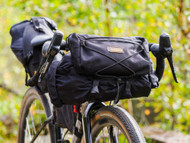
Bikepacking uses frame bags, seat bags, and handlebar rolls that mount directly to your bike. This streamlined approach keeps weight centered and works better on singletrack trails, gravel roads, and dirt roads where traditional racks might bounce around.
Both approaches get you outside and sleeping somewhere new. The right choice depends on where you want to ride and how much stuff you want to bring.
Gear You'll Need for Bike Camping
Packing for a camping trip on a bike means thinking carefully about every item. You're the motor, so every ounce matters. Here's what to bring.
Sleep System
• Shelter: A lightweight tent, bivy sack, or tarp, depending on conditions and personal preference
• Sleeping bag: Choose a temperature rating appropriate for where and when you're riding
• Sleeping pad: Inflatable pads pack small; Closed-cell foam pads are lighter and more reliable
Cooking and Hydration
• Camp stove: A small canister stove lets you boil water for coffee and rehydrated meals
• Water bottles or hydration bladder: Carry at least two liters, more if potable water sources are scarce
• Water filter or purification: Lets you refill from streams and reduce the water you carry
Clothing and Protection
• Waterproof jacket: Weather can change quickly, especially in the mountains
• Extra layers: Pack for camp temperatures, which are often cooler than riding temperatures
• Helmet, gloves, cycling kit: The basics you'd bring on any bike ride
Tools and Navigation
• Multi-tool and tire repair kit: Flats happen; Be ready
• Lights: For the bike and camp
• Phone with offline maps: Download your route before you lose signal
• Credit card and ID: For resupply stops or emergencies
If you're doing your first bike camping trip, don't feel like you need all new gear. Start with what you have and upgrade as you figure out what matters most to your riding style.
What Bike Should You Use?
Here's the good news: you can go bike camping on almost any bike you already own. That said, some bikes make the experience easier than others.

Gravel Bikes
A gravel bike hits the sweet spot for many bikepackers. The wider tire clearance handles everything from pavement to gravel roads to mellow singletrack. Most gravel bikes come with mounting points for bags and water bottle cages. The geometry keeps you comfortable over long-distance rides without sacrificing too much speed on pavement.
Mountain Bikes
If your routes include serious off-road sections, a mountain bike makes sense. Hardtails work particularly well for bikepacking since they're lighter and have fewer moving parts than full-suspension rigs. Mountain bikers who already spend time on trails can use their existing bike and explore further by adding camping gear.
Road and Touring Bikes
Traditional touring bikes with rack mounts remain popular for bike touring on paved surfaces. Road bikes can work for a quick overnighter if you stick to smooth roads and pack light. Many riders use a bike tour along established routes as their entry point into overnight cycling.
Electric Bikes
An electric bike opens bikepacking to more riders and allows you to cover more ground. Just plan your route around charging options or bring a spare e-bike battery for longer trips. The extra weight of an e-bike means you'll want to pack lighter elsewhere.
How to Pack Your Loaded Bike
Where you put your camping gear affects your bike handling and balance. Follow these guidelines for a more enjoyable ride.
• Keep heavy items low and centered: Frame bags are perfect for tools, food, and dense items
• Light, bulky items go on the handlebars: Your sleeping bag and pad typically live here
• Keep frequently used items accessible: A hip pack or top tube bag works great for snacks, phone, and sunscreen
• Balance your load: Uneven weight makes handling unpredictable
Test your setup on a short bike ride before committing to a longer camping trip. You'll quickly discover what needs adjusting.
Planning Your Route
A good bikepacking route balances rideable terrain with interesting places to camp and resupply.
Finding Campsites
State parks and state forests across the United States offer established campgrounds with amenities like picnic tables, clean drinking water, and sometimes showers. Some areas even have bicycle-only campgrounds designed specifically for touring cyclists. Check with the visitor center for availability and any reservation requirements.
Dispersed camping on public land offers more flexibility but requires more self-sufficiency. Know the regulations for the area you're riding through.
Choosing Your Terrain
Your first bikepacking trip doesn't need to be an epic adventure. Consider starting with a bike trail or bike path that leads to a campground. Many rail trails and converted rail corridors offer relatively flat, car-free riding that's perfect for getting used to a loaded bike.
As you gain experience, you can tackle more challenging routes, mixing gravel roads, dirt roads, and even singletrack. A cool trail through a state forest makes for memorable riding, even if progress is slower than on pavement.
Distance and Pace
How far you can ride depends on terrain, your fitness, and how much weight you're carrying. Most bikepackers average 40-50 miles per day on mixed terrain, less on technical trails or mountainous routes. Plan conservatively and leave time to enjoy the journey. Stopping for ice cream at a small town or swimming in a creek is part of the experience.
Safety and Practical Tips
• Tell someone your plans: Share your route and expected return with a friend or family member
• Check the weather: Conditions can change, especially in shoulder seasons
• Start shorter: A quick overnighter close to home teaches you more than reading a dozen blog posts
• Be visible: If your route includes any road sections or bike lanes, use lights and bright colors
• Leave no trace: Pack out everything you pack in and respect the places you camp
Getting Started with Your First Trip
The best way to learn bikepacking is to just go do it. Pick a destination close to home, pack your bags, and head out. You'll figure out what works and what doesn't. Maybe you'll discover your sleeping pad is too thin, or that you packed way too much food, or that coffee tastes better when you've earned it with a morning climb.
The bikepacking and bike camping community is welcoming to newcomers. Online forums, local cycling clubs, and group rides offer opportunities to learn from experienced riders. Many areas have established routes with detailed maps and descriptions available online.

Get Out There and Explore
Bikepacking and bike camping open up a world of adventure that's different from any other kind of travel. You cover ground under your own power, sleep in beautiful places, and experience landscapes at a pace that lets you actually notice them. The combination of physical challenge and simple living keeps riders coming back, trip after trip.
At 1UP USA, we understand the value of getting your bike to new adventures safely. Our bike racks are designed and built in the USA from quality aluminum, with every part replaceable, so your rack lasts as long as your love for riding. When you're ready to explore a park across the state, tackle a trail system in the next county, or drive to the start of an epic bikepacking route, we've got you covered.
You've invested in your bike and your camping gear. Trust your rack to a company that builds products the same way you approach your adventures: with care, quality, and an eye toward the long haul. Check out our bike rack collection and find the right setup for your vehicle and riding style. Then load up and go find your next campsite.