
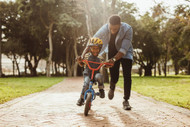
How to Teach a Kid to Ride a Bike
Posted by 1UP USA on Jan 28th 2026

How to Teach a Kid to Ride a Bike
Teaching a kid to ride a bike ranks among life's most rewarding moments. That look of pure joy when everything clicks, and they pedal off on their own? Priceless. But getting to that moment takes patience, the right approach, and a little know-how.
For those of us who love everything about riding, passing that passion to the next generation matters. Today's wobbly first ride could be tomorrow's trail buddy or century partner.
This guide walks you through everything you need to know about teaching someone how to ride a bike. Whether you're working with young kids just starting out or an older child ready to ditch the training wheels, these methods work.
When Should Kids Learn to Ride a Bike?
Most kids are ready to learn bike riding between the ages of 4 and 7, though every child develops at their own pace. The readiness has less to do with age and more to do with coordination, balance, and interest level.
Signs your child might be ready include being able to walk and run confidently, showing interest in bikes, and having enough leg strength to push off the ground. Trying to rush the process usually backfires; Waiting until they're genuinely ready makes everything click faster.
Choosing the Right Bike for Your Child
The right bike makes learning significantly easier. A bike that's too big or too small creates unnecessary challenges that can discourage new riders.
Getting the Size Right
When your child sits on the seat, their feet should be able to touch the ground flat. This isn't how adults ride, but for learning, being able to put both feet down provides security and control. A smaller bike is almost always better than one they'll "grow into."
Visit your local bike shop if you're unsure about sizing. Staff can help you find a kids' bike that fits properly and make adjustments to the seat height and handlebars.

Balance Bike vs. Training Wheels
Here's where things get interesting. The traditional approach uses training wheels to let kids learn pedaling first. The newer approach uses a balance bike to teach balance first. Both work, but they develop different skills in different orders.
A balance bike has no pedals. Kids push along with their feet, gradually learning to coast and balance. When they transition to a pedal bike, they already understand the hardest part: staying upright. Many parents and cycling instructors now prefer this method because it often leads to faster success on a regular bike.
Training wheels teach pedaling and steering, but don't really teach balance since the extra wheels prevent tipping. When the training wheels come off, kids still need to learn the balance piece. That said, plenty of bike riders have successfully learned this way.
The Balance-First Method: Step by Step
This approach focuses on balance before adding the complexity of pedaling. It works whether you're using a balance bike or a regular bike with the pedals temporarily removed.
Step 1: Set Up the Bike
Lower the seat so your child's feet can rest flat on the ground while sitting. If using a pedal bike, remove the pedals (or have a bike shop do it). This turns any child's bike into a makeshift balance bike.
Step 2: Find the Right Location
Choose a safe, flat area to start. An empty parking lot, a quiet bike path, or even a stretch of soft grass works well. Grass slows things down and provides a softer landing if needed, though pavement is easier for rolling. Avoid areas with motor vehicle traffic.
Make sure there's enough open space for your child to move without obstacles. A gentle hill can be useful later, but start on flat ground.
Step 3: Walking the Bike
Have your child sit on the seat and walk the bike forward using their feet. Keep their eyes up and looking ahead rather than down at the ground. This simple step builds comfort with sitting on the bike and controlling direction.
Step 4: Scooting and Gliding
Once walking feels comfortable, encourage faster pushes with longer glides. The goal is to lift both feet off the ground for increasingly longer periods. This is where the balance learning really happens.
Try games to make it fun: see how long they can glide, count seconds with feet up, or play red light/green light. Keep sessions short (15-20 minutes) to avoid frustration and fatigue.
Step 5: Adding Pedals
When your child can glide for several seconds while steering confidently, it's time for the next step. Put the pedals back on or transition from a balance bike to a first bike with pedals.
Position one pedal at the 2 o'clock position. Have your child push down on that pedal while pushing off with the other foot. This combines the gliding motion they've already learned with the new skill of pedaling.
Step 6: Continuous Pedaling
Once the push-and-pedal motion clicks, encourage continuous pedaling. Stay nearby but resist the urge to hold the bike. New riders need to feel the balance themselves. You can walk or jog alongside for reassurance without actually providing support.
The Training Wheels Method: Step by Step
This traditional approach lets kids learn pedaling and steering first, then tackles balance once the training wheels come off.
Step 1: Set Up the Training Wheels
Install training wheels so they sit slightly above the ground—about half an inch on each side. This allows a little wobble, which starts introducing the concept of balance while still providing a safety net. If the wheels are flat on the ground at all times, the child won't develop any balancing instincts.
Step 2: Find the Right Location
Choose a flat, paved area away from traffic. An empty parking lot or quiet cul-de-sac works well. Avoid grass, as the extra rolling resistance makes pedaling harder for beginners.
Step 3: Learn to Pedal
With the training wheels providing stability, your child can focus entirely on pedaling. Position one pedal at the 2 o'clock position and have them push down to start moving. Walk alongside as they get comfortable with the pedaling motion.
Step 4: Practice Steering and Stopping
Set up simple courses with gentle turns. Have your child practice looking where they want to go rather than staring at the front wheel. Incorporate regular braking practice so stopping becomes second nature before the training wheels come off.
Step 5: Gradually Raise the Training Wheels
As your child gains confidence, raise the training wheels slightly higher. This introduces more lean and wobble into their riding, forcing them to start using balance without fully relying on it. Some parents raise one side at a time.
Step 6: Remove the Training Wheels
When your child can ride with the training wheels barely touching the ground, it's time to take them off. Lower the seat so their feet can touch the ground flat for security. Expect some wobbles; They're learning the balance piece now. Stay close and offer encouragement, but let them feel the bike's balance themselves.
Teaching Your Child to Stop Safely
Braking deserves its own focus. Many kids instinctively put their feet down to stop, which works at low speeds but becomes problematic as they go faster.

Understanding Coaster Brakes
Many kids' bikes come equipped with a coaster brake, which activates by pedaling backward. These are simple for young kids to understand: pedal forward to go, pedal backward to stop. The learning curve is minimal.
Practice braking at low speeds first. Have your child pedal slowly, then use the coaster brake to stop. Repeat until stopping feels natural.
Introducing Hand Brakes
Bikes with hand brakes (including brake levers for the rear brake, front brake, or both) require more hand strength and coordination. Make sure your child can comfortably reach and squeeze the brake levers before relying on them.
Teach them to use the rear brake more than the front, especially at first. Grabbing just the front brake at speed can send a rider over the handlebars. Practice emergency stops in a safe area until the motion becomes automatic.
Common Challenges and How to Handle Them
Overcoming Fear
Some kids are eager, others are terrified. Both reactions are normal. If your child is having a hard time with fear, slow down. Spend more time on the walking and scooting phases. Let them wear knee pads and a helmet (these are a necessity) for extra confidence.
Never force it. Taking a break for a few days or weeks won't set them back permanently, but creating negative associations with bike riding might.
Steering Struggles
If steering is the issue, have your child practice on foot first. Walk the bike through a simple course with gentle turns. Looking where they want to go (not at obstacles) helps enormously since the bike tends to follow their gaze.
The "Don't Let Go!" Phase
Almost every parent hears this plea. The trick is to gradually reduce support without announcing it. Lightly touch the seat or their back, then eventually just walk alongside. Most kids don't realize they're riding solo until they've been doing it for several seconds.
Tips for Teaching Success
• Be an active listener. Pay attention to what your child says about what feels scary or difficult.
• Keep sessions short. 15-20 minutes is plenty for young riders.
• Celebrate small wins. Every new skill deserves recognition.
• Stay patient. Some kids master this in an afternoon, others take weeks. Both are perfectly fine.
• Make it fun. Games, challenges, and a positive attitude go a long way.
• Ride with them. Once they can ride, regular family bike rides build skills and confidence.
What Comes Next?
Once your new rider has the basics down, there's a whole world of skills to develop. Starting, stopping, turning, and riding in a straight line are just the beginning.
Skill | Why It Matters |
Looking ahead | Helps with balance and awareness of surroundings |
Skill | Prepares them for riding on roads and paths with others |
Riding on varied terrain | Builds adaptability and control |
Hill climbing and descending | Teaches gear use and brake control |
As skills develop, you can start exploring together: longer rides on local bike paths, easy trails, or weekend trips to new areas. What starts as a lap around the neighborhood can turn into full family adventures.
The self-confidence that comes from mastering this new skill extends beyond cycling. Kids who learn to ride a bike learn that they can tackle difficult things with practice and persistence.

Get Out There and Ride
Teaching kids to ride a bike is one of those parenting moments you'll both remember. Yes, there might be wobbles, frustration, and maybe a few tears. But the payoff is worth every second of patience.
Once your child graduates from new rider to confident cyclist, you'll want to explore new bike paths and trails together. Family bike rides become possible, and suddenly that new bike opens up a world of adventure.
At 1UP USA, we build bike racks designed to get your family's bikes wherever the adventure takes you. Our racks are manufactured right here in the USA from quality aluminum, and every single part is replaceable, so your rack will last as long as your family's love for cycling. We only touch the parts of your bike that are already wear points, so you don't have to worry about scratched frames or damaged components.
You put the time into teaching your kid to ride. Now load up and explore. Check out our bike rack collection and find the right setup for your vehicle.